
Cognitive Behavioral Therapy CBT
Research shows that online cognitive behavioral therapy can be as effective as in-person CBT for many conditions. Outcomes are especially strong for anxiety, depression, and stress-related disorders. Effectiveness often depends on the quality of the program and level of engagement. For some individuals, in-person care may still be preferred based on personal needs. Internet-delivered CBT (I-CBT) is an alternative modality for the delivery of CBT for patients with anxiety and related disorders.
Two Levels of Psychological Therapy 1:
Other studies, however, found favorable results for CBT (e.g. Di Giulio, 2010; Jorm, Morgan, & Hetrick, 2008; Tolin, 2010). For example, Jorm and colleagues (2008) found CBT to be superior to relaxation techniques at post-treatment. Additionally, Tolin (2010) showed CBT to be superior to psychodynamic therapy at both post-treatment and at six months follow-up, although this occurred when depression and anxiety symptoms were examined together. At The Ridge Ohio, our cognitive behavioral therapy services in Cincinnati and Columbus help individuals in recovery manage the challenging emotions and thoughts often linked to depression, anxiety, and trauma. By addressing these co-occurring disorders, clients gain insight into how mental health struggles can contribute to substance use.
Steps in CBT
- CBT can support individuals coping with chronic pain, eating disorders, and substance use challenges.
- CBT aims to break this cycle by helping individuals identify and reframe such thoughts into more balanced, realistic ones.
- Behavioural therapy helps us to change any of our actions that cause us harm or are unhelpful (for example, staying at home all the time because of a fear of something outside).
- Ellis believes that people often forcefully hold on to this illogical way of thinking and therefore employ highly emotive techniques to help them vigorously and forcefully change this irrational thinking.
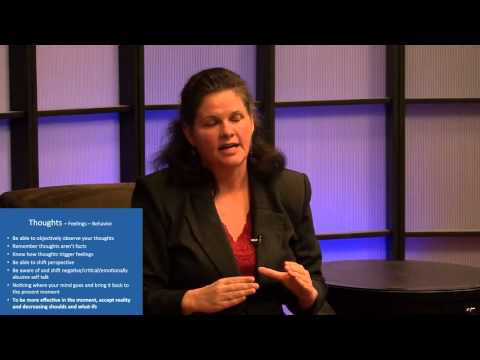
- Learn how to step back, examine the evidence for your thoughts and explore other ways of looking at the situation.
These more adaptive thinking patterns then make it more likely you will try new or challenging experiences in the future, thereby increasing your self-confidence. "Think of it as a wellness class for your emotional health," says Burbridge. After the initial assessment period, you'll start working with your therapist to break down problems into their separate parts, including your thoughts, physical feelings and actions. To help with this, your therapist may ask you to keep a diary or write down your thoughts and behaviour patterns. The first few sessions will be spent making sure CBT is the right therapy for you, and that you're comfortable with the process. Exposure therapy sessions usually last longer to make sure your anxiety reduces during the session.
Science-Based Ways To Apply Positive CBT

As these three components interact, they interfere with normal cognitive processing, leading to impairments in perception, memory, and problem-solving, with the person becoming obsessed with negative thoughts. Quite often, these negative thoughts will persist despite contrary evidence. As we confront the many situations that arise in life, both comforting and upsetting thoughts come into our heads. A therapist would help Gina realize that there is no evidence that she must have good grades to be worthwhile or that getting bad grades is awful. Some people irrationally assume they are failures if they are not loved by everyone they know – they constantly seek approval and repeatedly feel rejected.

Trichotillomania: An ACT-Enhanced Behavior Therapy Approach (Second Edition): Workbook
Usually, they can suggest additional strategies that could be more beneficial. CBT typically consists of one weekly session and might run for weeks or months. You and your therapist cognitive behavioral therapy will probably discuss the potential length of therapy during the first few sessions.Having said that, it will take some time to observe outcomes. You may fear that treatment isn't working if, after a few sessions, you don't feel better, but give it some time. Continue working on your assignments and honing your abilities in between sessions.Take it easy on yourself; undoing deep-set tendencies takes a lot of work. Any medical decision-making should rely on clinical judgment and independently verified information.
- Intrusive thoughts, which can hinder daily functioning, are common, as evidenced by their mention by therapists.
- That particular skill — paying attention in the present moment without judgment, or mindfulness — is a common CBT tool.
- The core premise of this treatment approach, as pioneered by Beck (1970) and Ellis (1962), holds that maladaptive cognitions contribute to the maintenance of emotional distress and behavioral problems.
- Cognitive Behavioral Therapy (CBT) apps target applications such as stress management, anxiety and depression management, meditation, and wellness.
- Examples of psychotherapists include psychiatrists, psychologists, licensed professional counselors, licensed social workers, licensed marriage and family therapists, psychiatric nurses, and other licensed professionals with mental health training.
- This could mean directing you to self-help, sessions with a trained mental health worker, group counselling or 1-1 CBT.
What Is Cognitive Behavioral Therapy (CBT)?
Intensive CBT may condense this schedule into sessions every weekday over one to three weeks. Your doctor may also be able to refer you to a therapist or recommend one. In the UK, the British Association for Behavioural & Cognitive Psychotherapies (BABCP) keeps a register of all accredited therapists.
Cognitive Behavioral Therapy (CBT) for Adolescents: Correcting Distorted Perceptions

The content provided herein does not replace professional discretion and should be considered supplementary to established clinical guidelines. Healthcare providers should verify Substance abuse all information against primary literature and current practice standards before application in patient care. Dr.Oracle assumes no liability for clinical decisions based on this content. If you or someone you know would benefit from cognitive behavioral therapy, please contact me today. In the CBT framework, by changing our negative thoughts and behaviors, we can influence our feelings and therefore begin to experience life in a more positive way. Cognitive behavioral therapy may be done one-on-one or in groups with family members or with people who have like issues.